How to Make Loose Leaf Tea:
A Simple Guide for One Cup or a Full Pot
There’s something undeniably comforting about a freshly brewed cup of tea. While tea bags offer convenience, loose leaf tea delivers a richer flavor, better aroma, and a more authentic tea experience. Whether you’re brewing a single cup for a quiet morning or preparing a pot to share with friends, making loose leaf tea is surprisingly simple.
Why Choose Loose Leaf Tea?
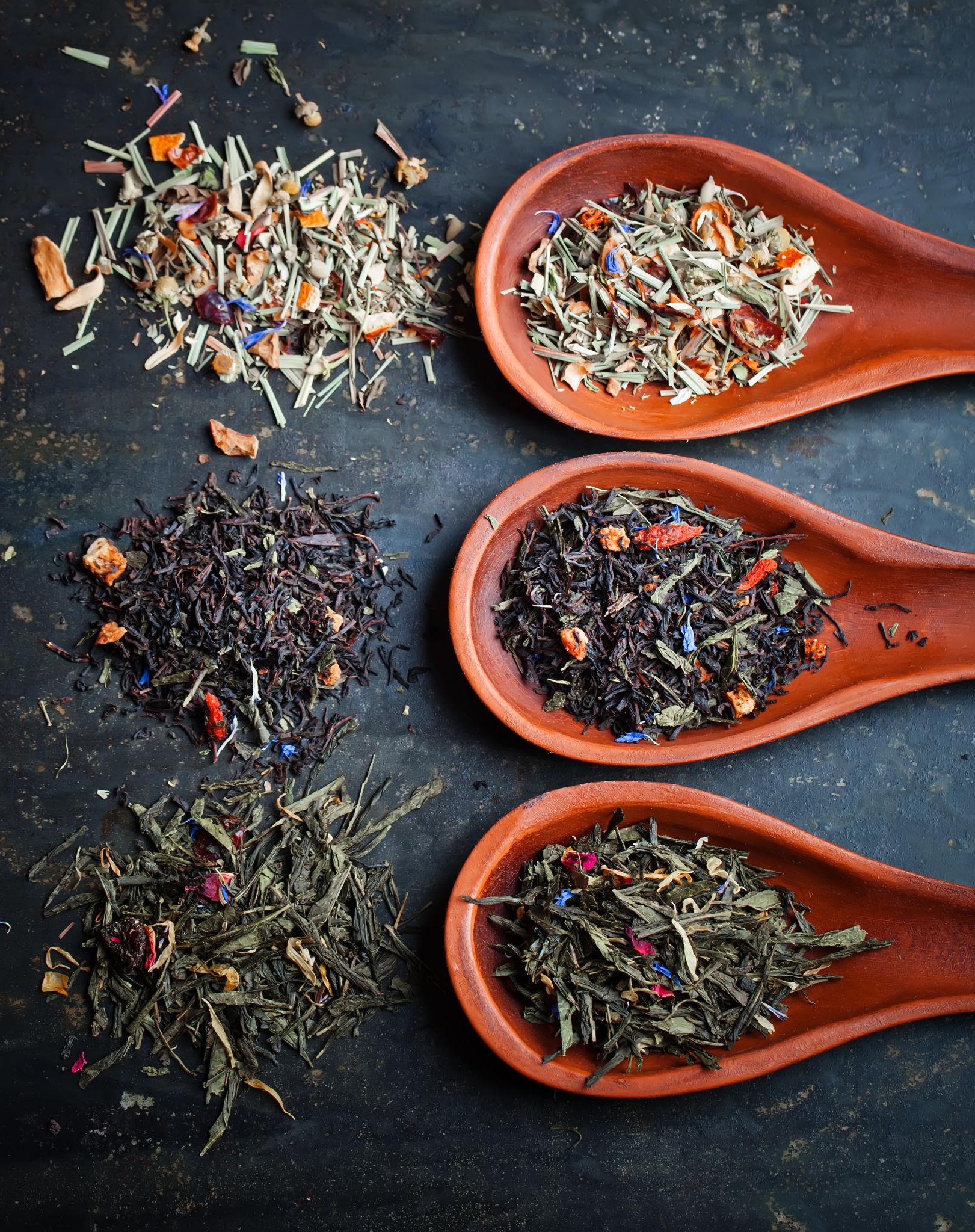
One of the greatest advantages of loose leaf tea is the quality of the leaves themselves. Unlike many commercial tea bags, which often contain broken tea particles, loose leaf tea is made from larger, more intact leaves. As these leaves unfurl during brewing, they release a depth of flavor and aroma that creates a noticeably more complex cup. The result is a tea that feels fresher, more vibrant, and more connected to its origins.
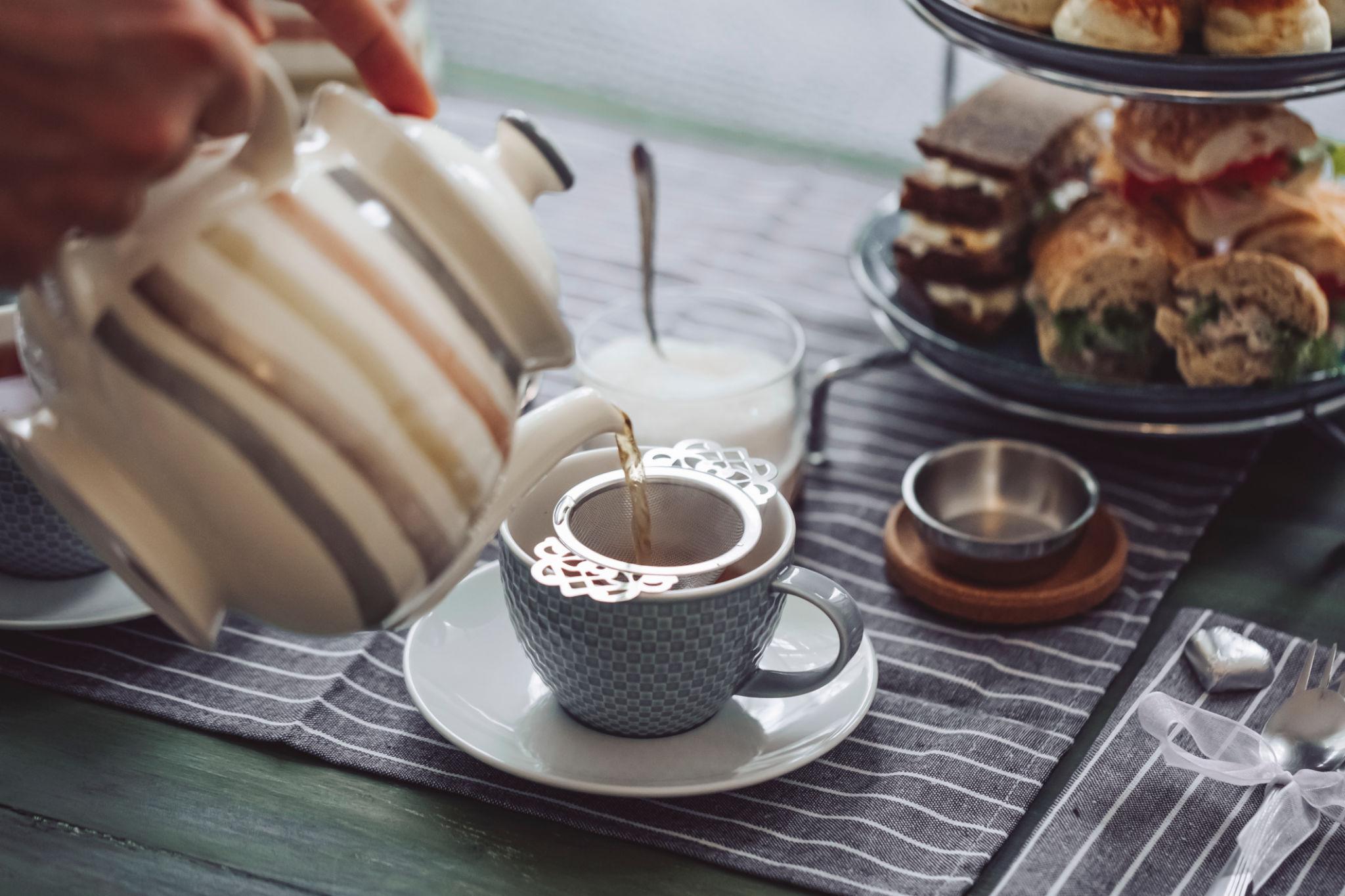
Preparing a single serving of loose leaf tea is surprisingly simple. A teaspoon of tea placed in an infuser basket or tea strainer is usually enough for an eight-ounce mug. Once hot water is added, the leaves begin to expand and release their character into the water. Depending on the variety, the tea may steep for only a few minutes before reaching its ideal flavor. Green and white teas tend to prefer slightly cooler water and shorter steeping times, while black and herbal teas generally benefit from hotter water and a little more patience. The beauty of brewing loose leaf tea is that it quickly becomes a personal ritual, with each tea lover discovering their own preferred strength and flavor profile.
Why Choose Loose Leaf Tea?
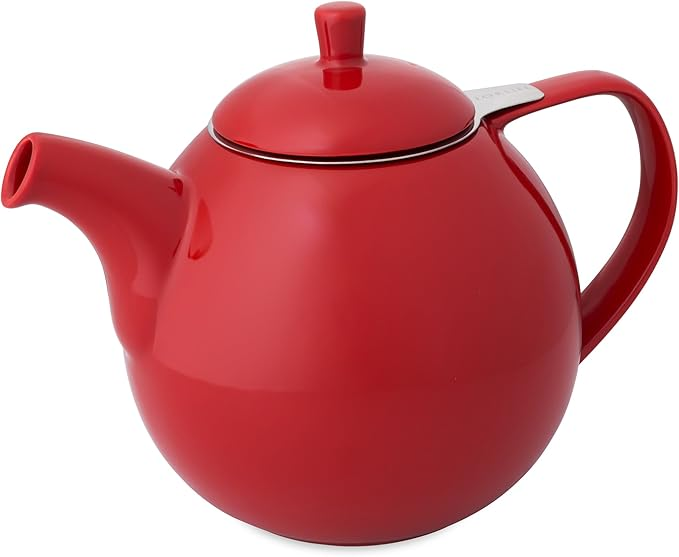
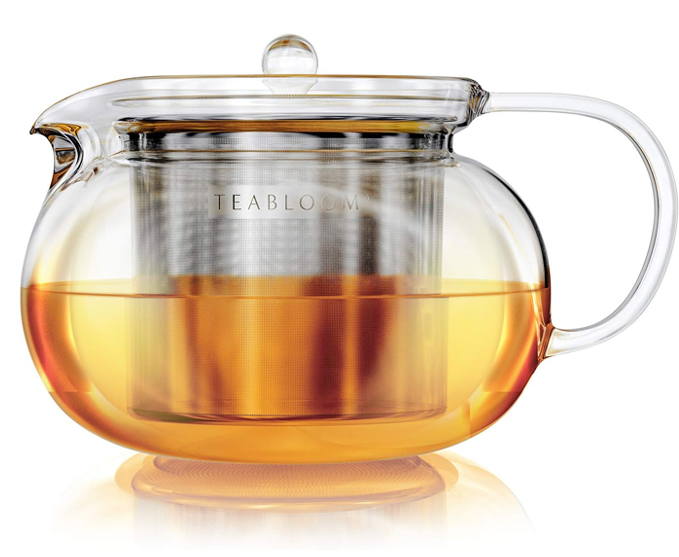
While a single cup is perfect for moments of solitude, brewing a full pot creates an entirely different experience. A teapot allows the leaves more room to expand, often resulting in an even richer infusion. Many tea enthusiasts follow the traditional rule of adding one teaspoon of tea for each cup of water and an extra spoonful “for the pot.” Once the leaves are immersed in hot water, the anticipation becomes part of the enjoyment. The gentle aroma that fills the room while the tea steeps is often as satisfying as the beverage itself.
Serving tea from a pot has long been associated with hospitality and conversation. Whether it’s an afternoon gathering with friends or a quiet evening on the porch, a teapot invites people to slow down and connect. The simple act of pouring another cup encourages lingering at the table a little longer and enjoying the company of those around you.
Our Favorite Teapots:
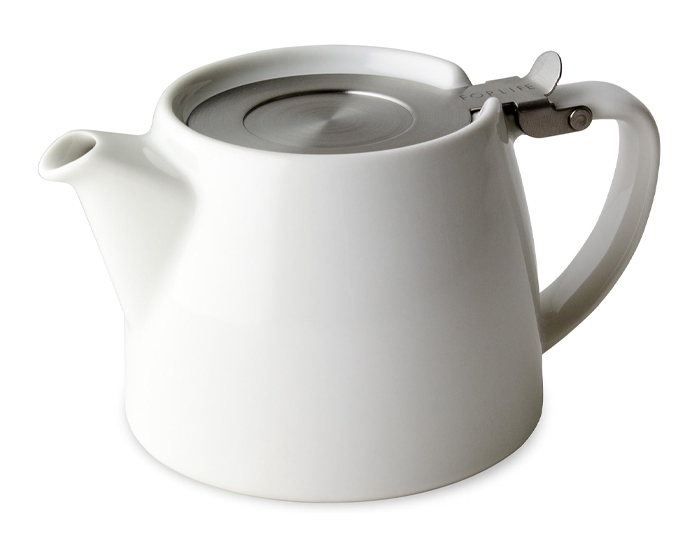
Loose leaf tea also rewards experimentation. Many premium teas can be steeped multiple times, with each infusion revealing different notes and characteristics. A first steep may showcase bright floral flavors, while a second or third steep may bring forward earthy, sweet, or nutty undertones. Exploring these subtle changes is part of what makes tea such a fascinating beverage.
Ultimately, making loose leaf tea is about more than simply creating a drink. It is a small daily ritual that offers a pause from a busy schedule. The process encourages mindfulness, whether you’re watching steam rise from a favorite mug or sharing a freshly brewed pot with guests. In a culture that often prioritizes speed and convenience, loose leaf tea reminds us that some experiences are worth taking a little extra time to enjoy.
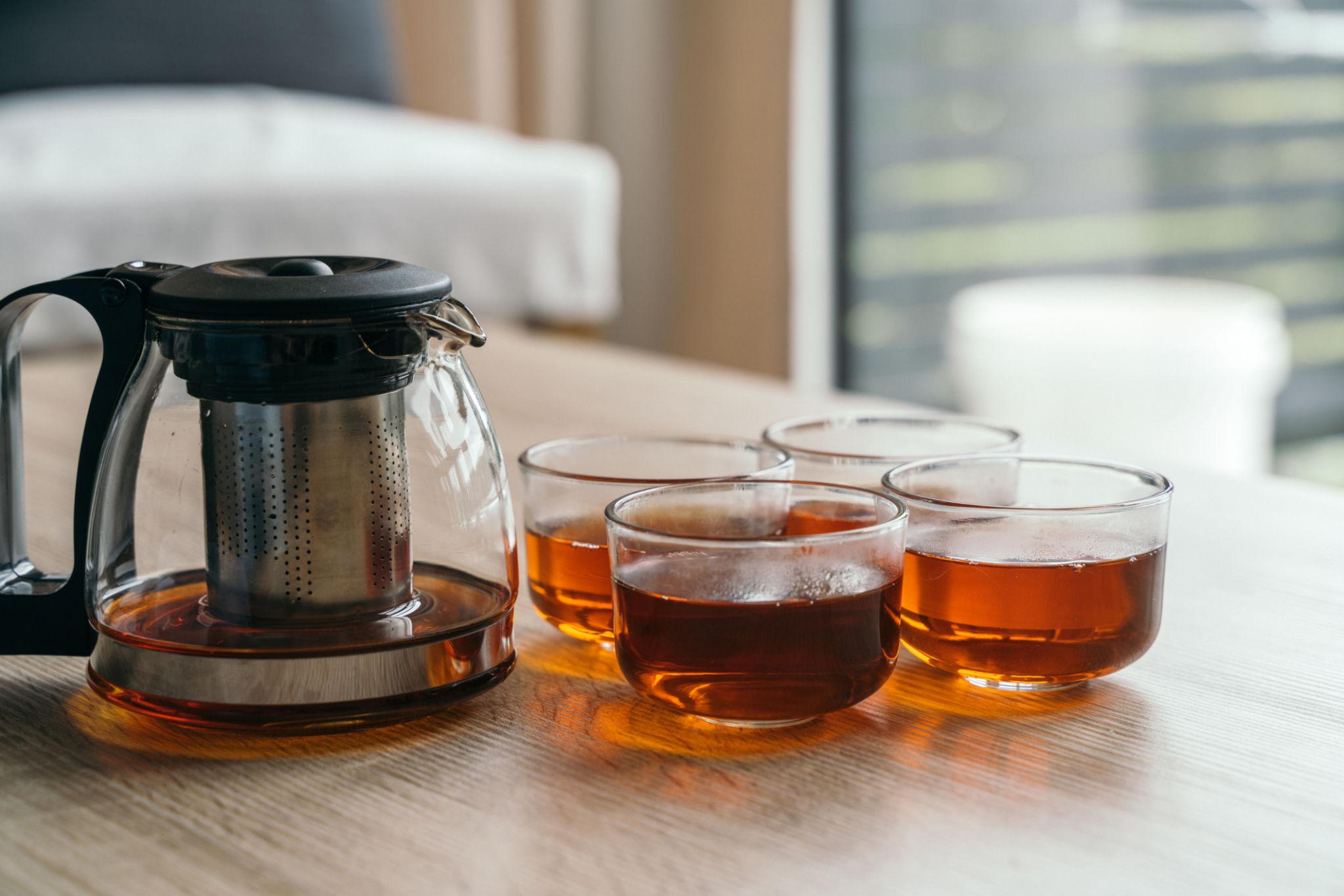
For tea lovers, that extra effort is rewarded with a richer flavor, a calming ritual, and a moment of tranquility that can transform even the busiest day.
Best Tea Houses In The World:
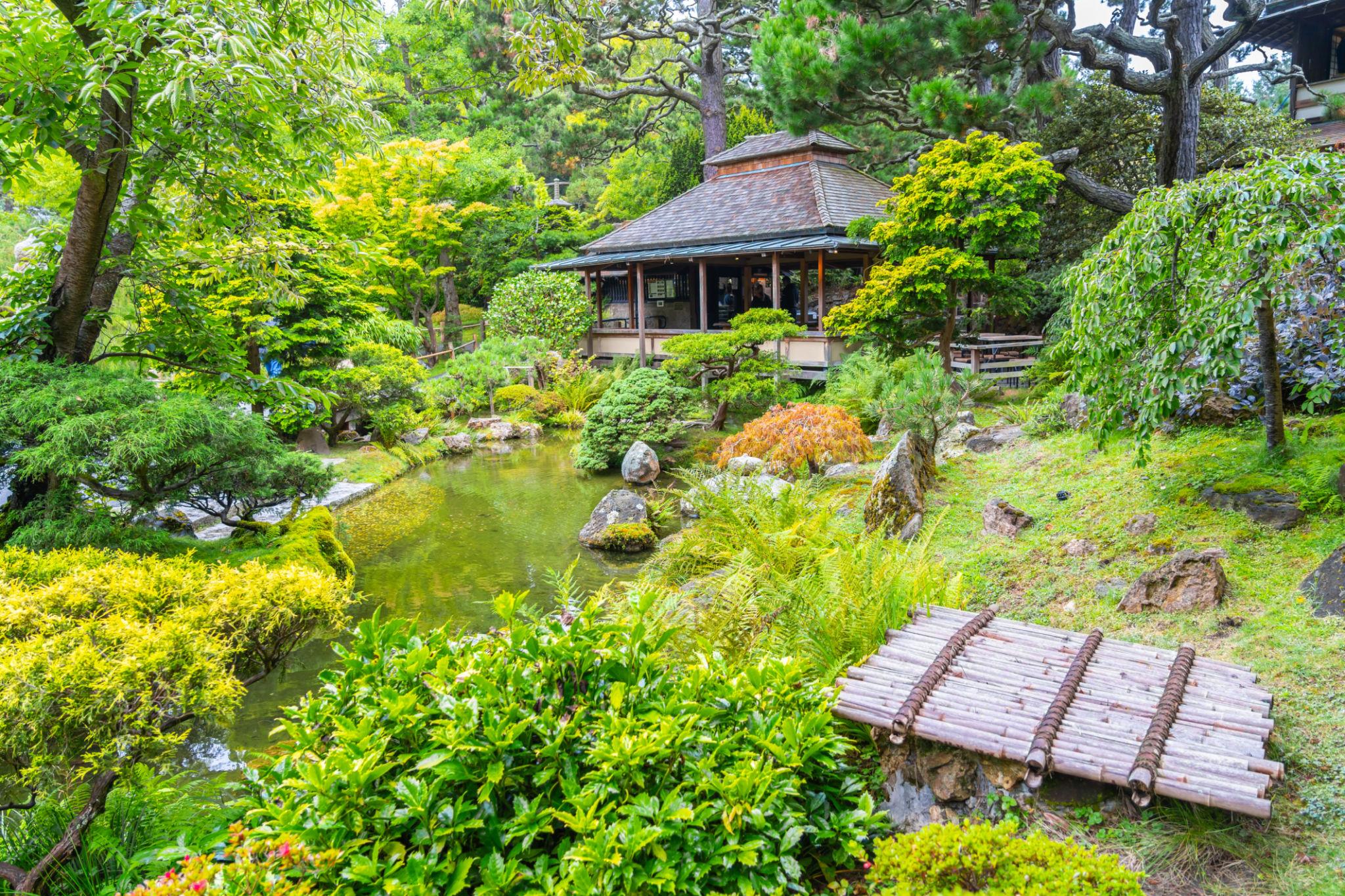
The Japanese Tea Garden Tea House in San Francisco is a historic teahouse located within the Japanese Tea Garden. Established in the late 19th century, it serves traditional Japanese tea and light refreshments in a serene, garden-like setting. The tea house remains a cultural landmark and a key feature of the city’s oldest public Japanese garden.
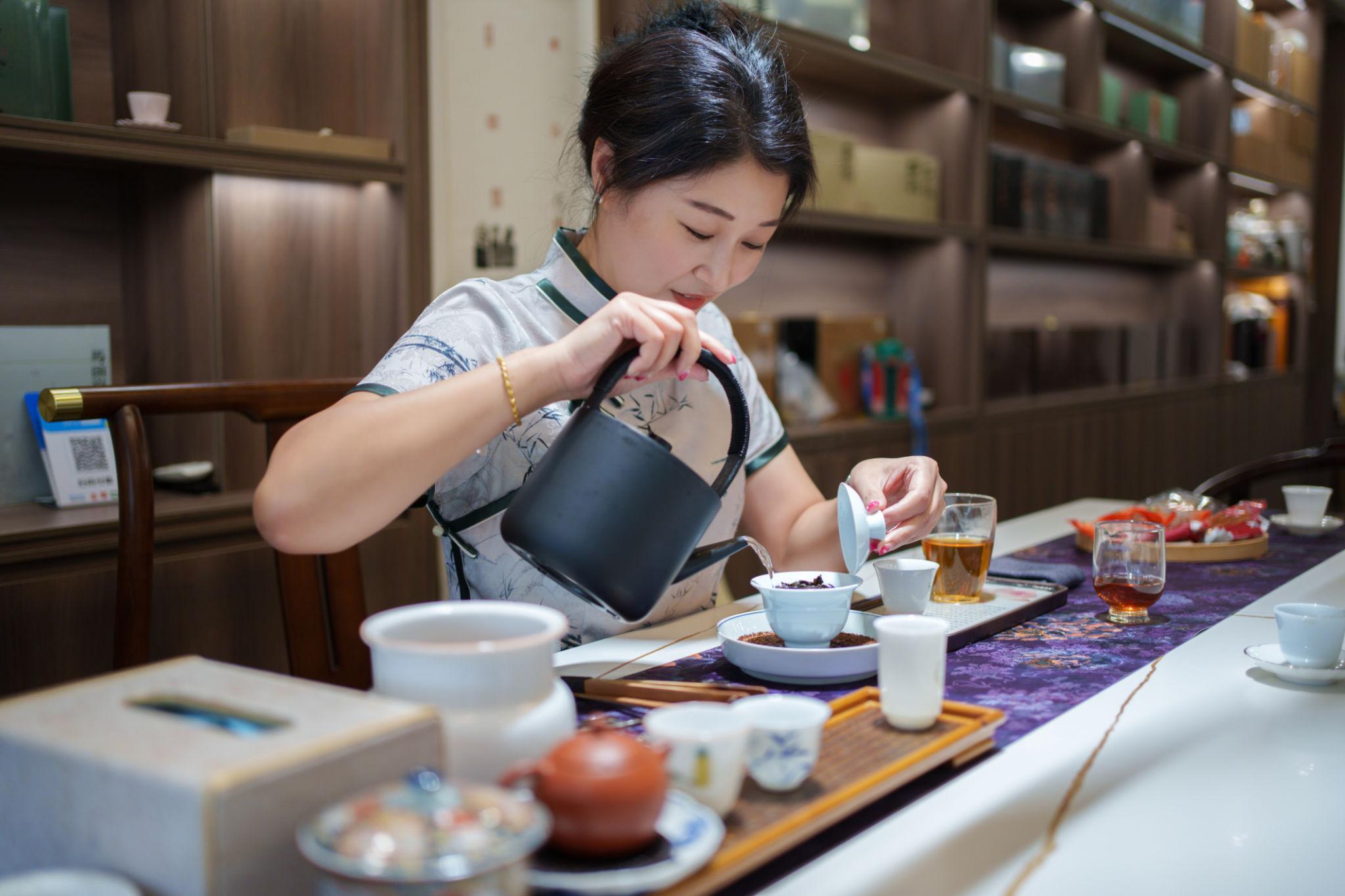
Wai’s Gong Fu Tea House is a traditional Chinese-style tea house located at 1385 English Street NW, Atlanta, Georgia. It offers an immersive cultural experience centered on the gong fu cha method—an ancient and precise approach to brewing tea that emphasizes flavor, mindfulness, and ritual. The tea house is part of the Wai’s Kung Fu & Tea House complex, blending martial arts heritage with tea craftsmanship.
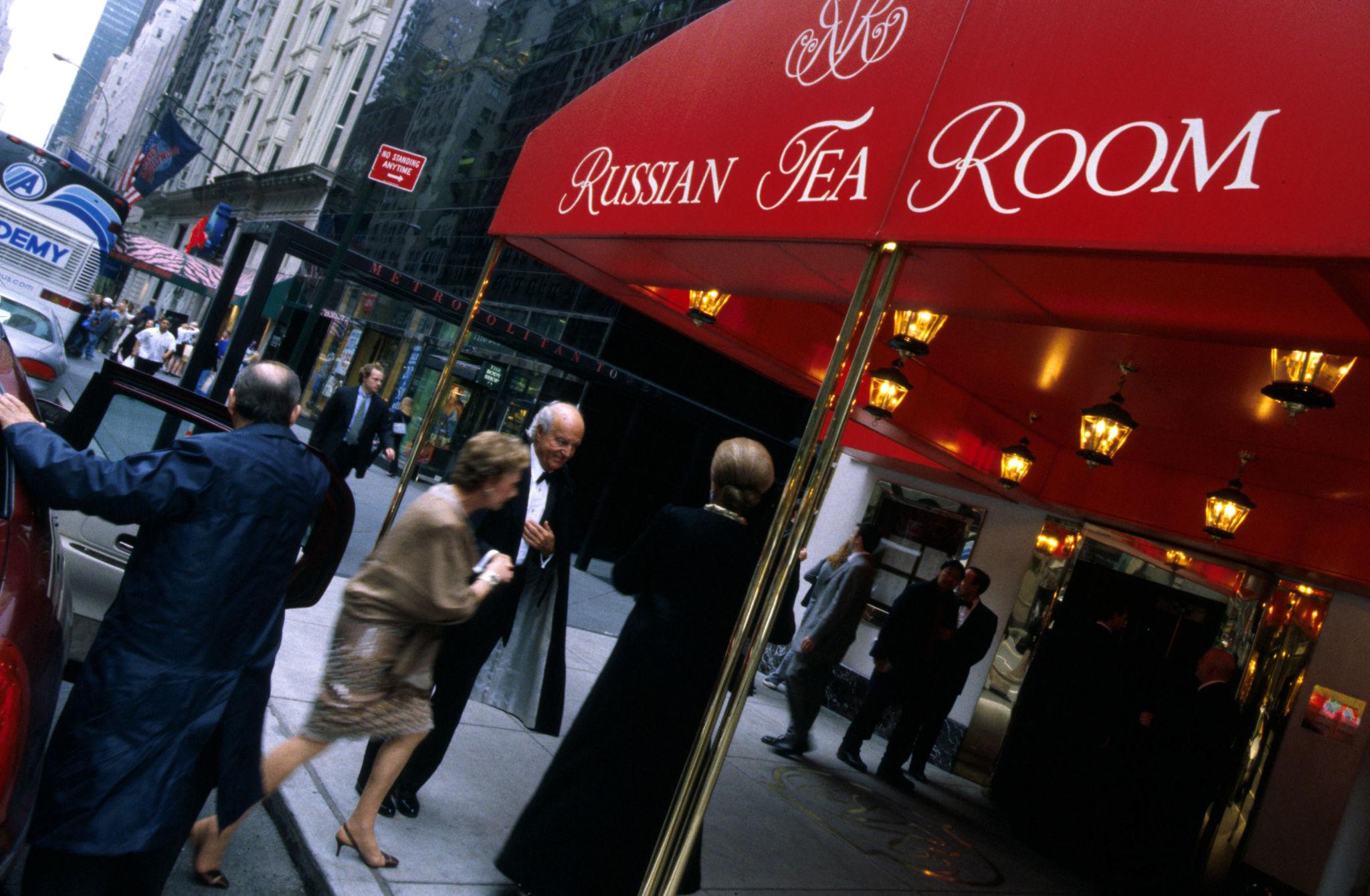
The Russian Tea Room is an iconic fine-dining restaurant in Midtown Manhattan known for its opulent décor, pre-theatre dining, and classic Eastern European and Russian cuisine. Founded in 1926 by members of the Russian Imperial Ballet, it has long served as a gathering place for artists, performers, and New York elites, situated beside Carnegie Hall and near Central Park.
Other mentions:
- Afternoon Tea at Claridge’s in London, England
-
Ashford Castle in Kong, Ireland
-
Tea House Restaurant, Dubai, UAE