Why Ethics Matter in Associations and Boards
In every successful association, ethics are not just a policy tucked inside a handbook — they are the foundation that supports trust, leadership credibility, and organizational stability. Whether an organization is volunteer-led, professionally managed, or a combination of both, ethical governance is what separates healthy associations from those consumed by conflict, confusion, and mistrust.
Boards are entrusted with more than decision-making. They are responsible for protecting the mission, ensuring accountability, and serving the best interests of members, stakeholders, and the broader community. When ethics are prioritized, organizations thrive. When they are ignored, even the strongest associations can quickly experience division and reputational harm.
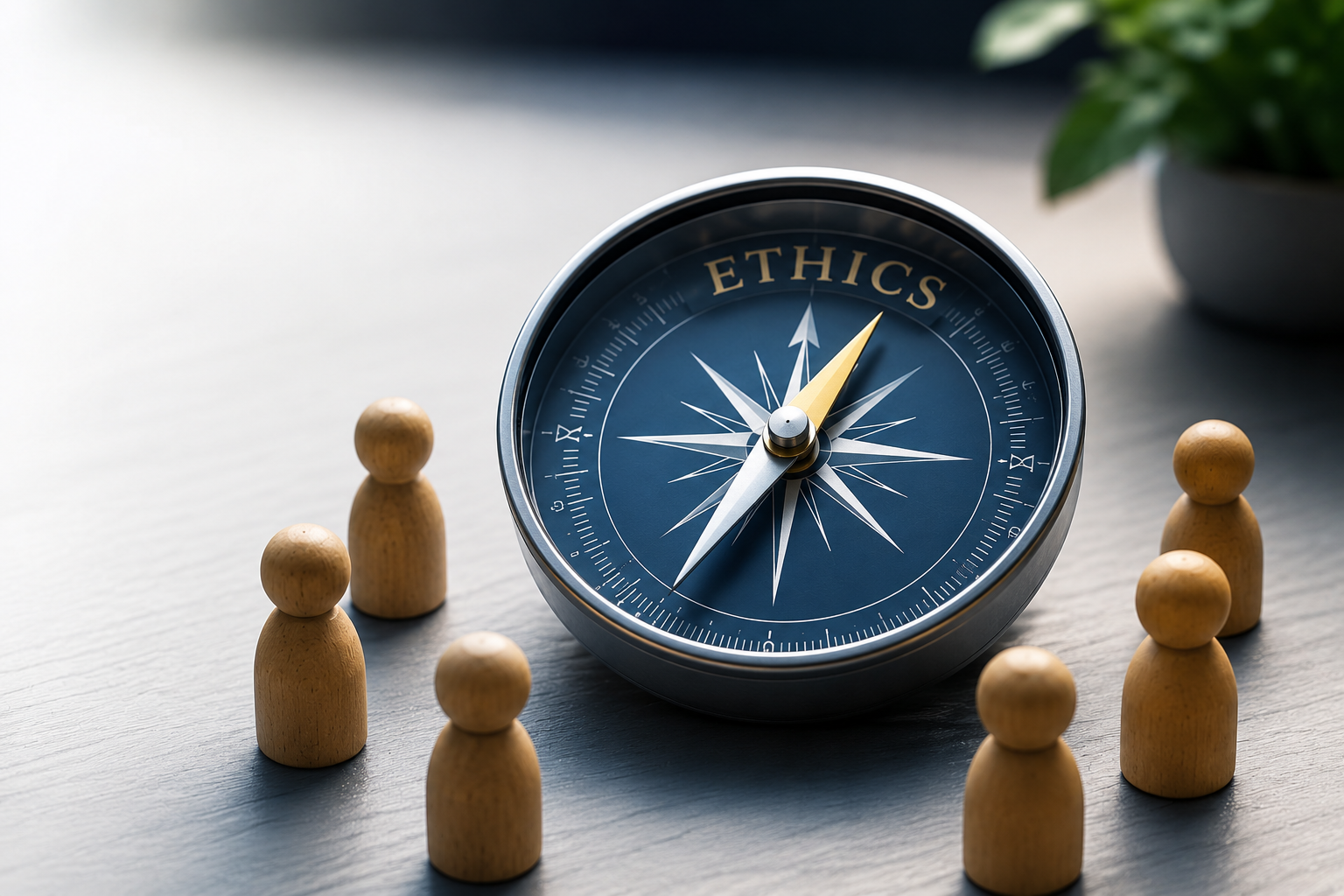
The Role of a Board
A board’s primary responsibility is governance, not day-to-day management. Strong boards focus on strategy, oversight, financial stewardship, and long-term sustainability. Ethical boards understand the difference between governance and operations and respect those boundaries. This distinction is critical. When board members overstep into operational control, attempt to influence staff relationships, or make decisions outside established procedures, organizations often experience internal instability. Ethical leadership requires discipline, transparency, and respect for structure.
Great boards ask:
- Are we acting in the best interest of the organization?
- Are we following our bylaws and policies consistently?
- Are we making decisions transparently and fairly?
- Are Board Directors acting and voting independently or being coerced?
- Would members feel confident if this process were fully visible?
Ethical governance is not about avoiding conflict altogether. It is about handling difficult situations with integrity, consistency, and professionalism.
Why Ethics Matter in Associations
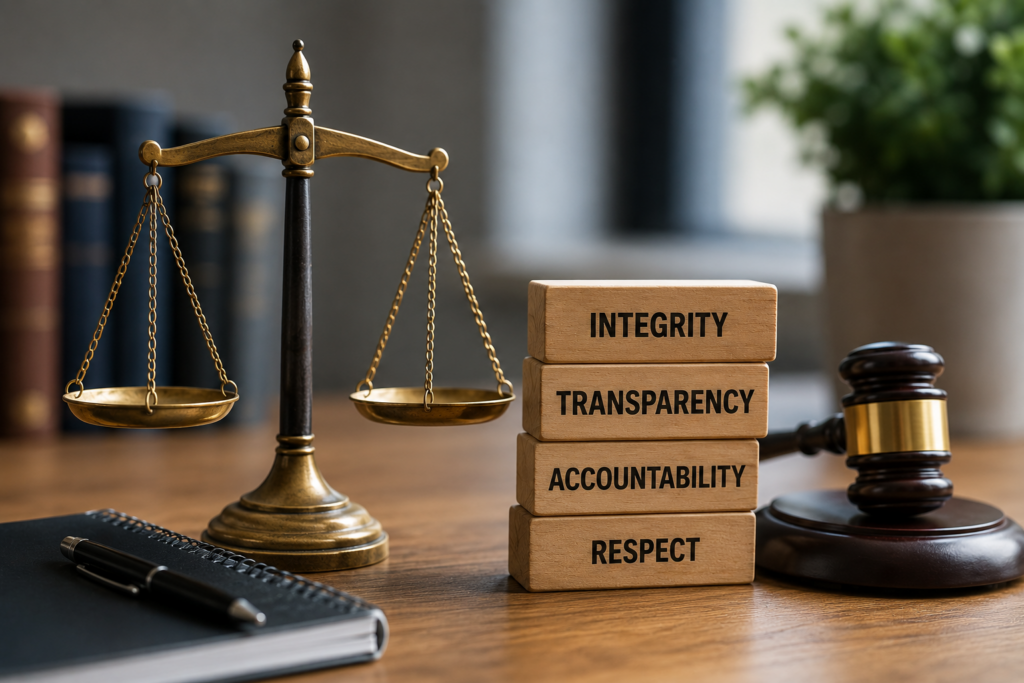 Associations operate on trust. Members trust leadership to make fair decisions. Sponsors trust organizations to uphold professional standards. Volunteers trust their contributions are valued and respected.
Without ethics, that trust erodes quickly. Common ethical challenges in associations include:
- Conflicts of interest
- Abuse of authority
- Lack of transparency
- Gossip and reputational damage
- Selective enforcement of policies
- Retaliation against dissenting voices
- Breaches of confidentiality
- Governance overreach
Many of these issues begin subtly. A private conversation becomes exclusionary decision-making. An informal complaint becomes public speculation. A disagreement becomes personal rather than procedural. Over time, culture shifts from collaboration to fear and defensiveness. Organizations with strong ethical cultures actively prevent these patterns before they become crises.
Ethical Leadership Starts at the Top
Culture is shaped by leadership behavior. Board members and executive leaders set the tone for how disagreement, accountability, and communication are handled.

Ethical leaders:
- Welcome respectful dialogue
- Encourage transparency
- Avoid personal agendas
- Separate facts from emotions
- Follow established procedures
- Respect confidentiality
- Accept accountability for mistakes
- Prioritize organizational health over individual influence
Importantly, ethical leadership does not mean leaders are perfect. It means they are committed to fairness, self-awareness, and responsible conduct even during difficult moments. Associations are often built by passionate volunteers who deeply care about their industries and communities. That passion can be a tremendous strength — but without ethical guardrails, passion can sometimes evolve into territorial behavior, emotional decision-making, or governance breakdowns.
The Importance of Policies and Procedures
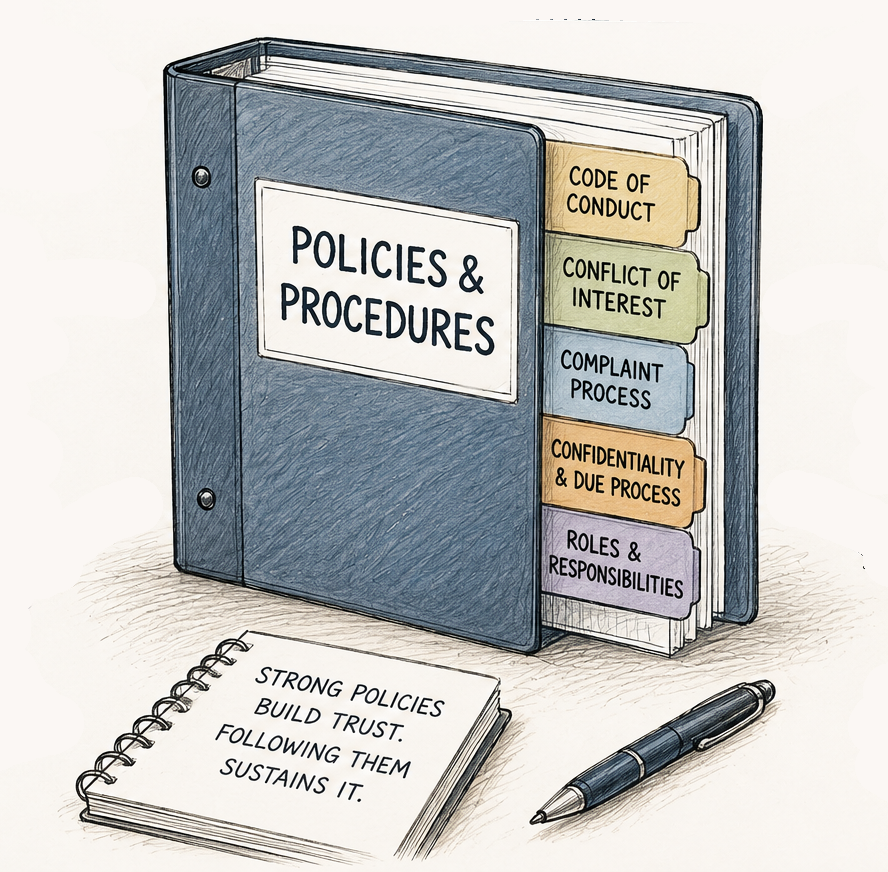 Clear policies are one of the most effective tools an association can have. Ethics policies, codes of conduct, conflict-of-interest disclosures, and governance procedures provide consistency during moments of tension.
Policies should:
- Be written clearly and accessibly
- Apply equally to everyone
- Include defined processes for complaints or investigations
- Protect confidentiality and due process
- Clarify board and staff roles
- Be reviewed regularly
Just as important, organizations must actually follow their policies. Selective enforcement is one of the fastest ways to damage trust within a membership community.
Ethics Protect the Future of the Organization
Associations often place tremendous focus on membership growth, sponsorships, conferences, and programming, but long-term organizational health depends just as heavily on ethical governance. Financial challenges can often be recovered from over time, but rebuilding trust after ethical failures is far more difficult.
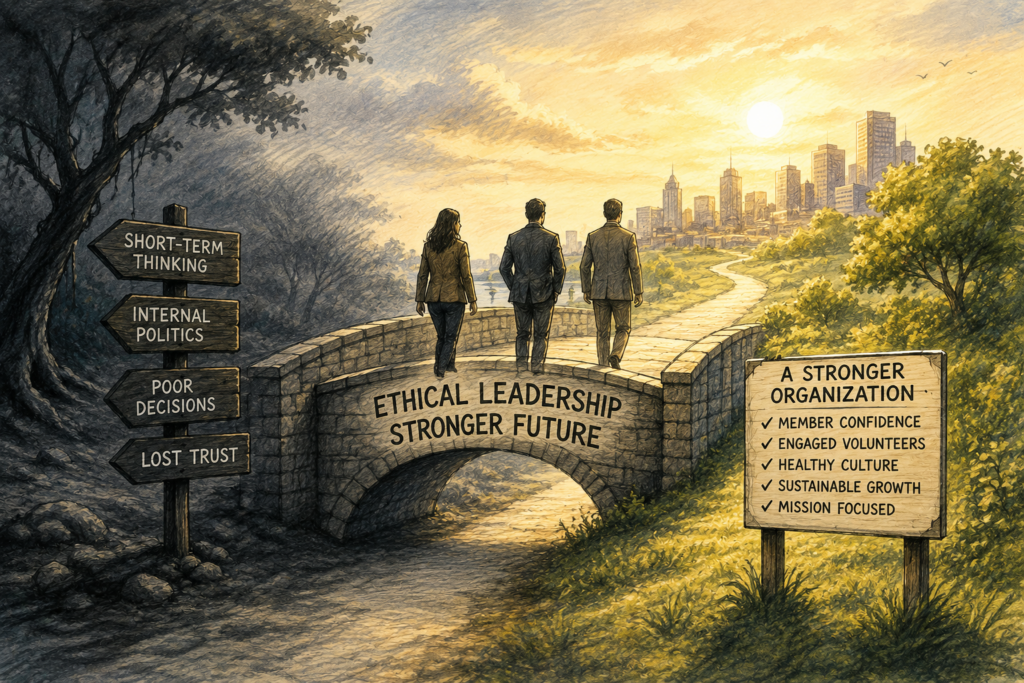 When boards and leadership teams operate with integrity, transparency, and accountability, they create an environment where members feel confident in the organization’s direction and leadership decisions. Ethical governance strengthens volunteer engagement, improves collaboration between boards and staff, reduces operational and legal risks, and helps organizations navigate leadership transitions more successfully.
Most importantly, ethics protect the mission itself. Associations exist to serve communities, industries, and professions larger than any single individual. Ethical leadership ensures that decisions remain focused on the organization’s purpose rather than personal influence, internal politics, or short-term agendas. In the long run, organizations grounded in strong ethical principles build stronger reputations, healthier cultures, and more sustainable futures.
More Marketing Articles For You


Catersource 2026: Where Innovation, Craft, and Community Shape the Future of Events
Your wedding catering company can make it to the next level of success with just a few tweaks to the systems.

Tips for Taking Your Wedding Catering Company to the Next Level
Your wedding catering company can make it to the next level of success with just a few tweaks to the systems.